
The Technical Requirements for Clean Energy Home Electrification in PA
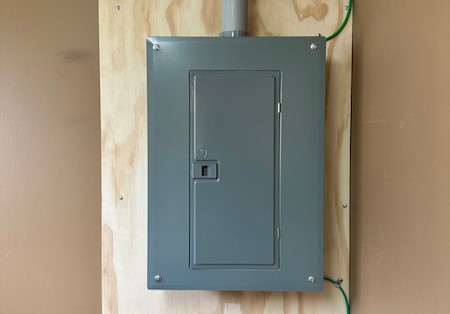
Pennsylvania homeowners are adding EV chargers, heat pumps, induction ranges, and smarter lighting every year. To keep everything running safely, the foundation is your electrical infrastructure. That means right-sized service capacity, smart breaker distribution, and room for the clean energy loads you plan to add.
If your existing panel feels tight or trips under heavy use, an electrical service upgrade is often the first technical step. Upgrading the service and panel gives you the headroom modern systems need without constant tradeoffs.
How Pennsylvania Home Electrification Updates Affect Service Capacity
Your home’s service capacity is the total power available to feed all circuits. Clean energy upgrades like EV charging and heat pump systems can raise your baseline demand. A licensed electrician evaluates available amperage, panel rating, and space for new breakers, then recommends a plan that supports today’s loads and tomorrow’s projects.
Think of capacity like a highway. Phone chargers and lamps are compact cars. An EV charger or heat pump is a truck. The road must handle both at once. **Do not overload an aging panel** expecting it to carry heavy traffic every season in Pennsylvania’s hot summers and cold winters.
Breaker Distribution And Dedicated Circuits for Electrified Homes
Clean energy upgrades work best when high-demand appliances live on their own lines. Dedicated circuits help stop nuisance trips, reduce voltage drop, and protect electronics. If you are mapping a whole-home plan, start by placing the largest loads on separate breakers and balancing them across phases for smoother performance.
- EV charger
- Heat pump and heat pump water heater
- Induction range and wall oven
- Electric dryer
- Basement sump pump and dehumidifier
When you are ready to carve out capacity for these loads, review options for dedicated circuits. **Avoid daisy-chaining large loads** with lighting or convenience outlets. Purpose-built circuits make your system more reliable and easier to label.
Local insight: Summer storms across Pennsylvania can cause momentary outages and surges. A service or panel that is already near its limit is more likely to trip or show heat after these events. Plan capacity with a small safety margin so clean energy loads stay steady when the weather swings.
Wiring, Grounding, And Protection That Support Clean Energy
Electrification readiness is not only about breaker space. Conductor sizing, grounding and bonding quality, and protective devices matter too. Arc-fault and ground-fault protection in the right locations help keep people and equipment safe. Clear labeling speeds up future work when you add the next clean energy circuit.
Pair infrastructure checks with a whole-home safety review when you are expanding your system. An inspection can spot loose terminations, tired breakers, or undersized wiring before they become headaches. **Always use a licensed electrician** to verify grounding, bonding, and protection settings during any upgrade.
EV, Heat Pumps, And High-Efficiency Appliances: Designing The Backbone
EV charging is often the first electrification step. Level 2 charging typically needs a dedicated 240‑volt circuit and space on the bus. If you want a deeper dive on what triggers a panel change before charging, read our article on panel upgrade before installing an EV charger. The same planning logic applies to heat pumps, heat pump water heaters, and induction cooking.
- Map out clean energy loads you will add over the next 2–5 years.
- Confirm breaker count and bus rating against your plan.
- Balance high‑draw circuits across phases for smoother operation.
- Label every new circuit clearly to speed up future service.
When service space or amperage is tight, step back and prioritize the backbone first. **Leave space for future clean energy circuits** so you are not forced into a patchwork later.
Future-Ready Layouts: Subpanels, Conduit Paths, And Battery/Solar Prep
A clean layout today saves time when you expand. In many Pennsylvania homes, adding a small subpanel for garage or basement projects keeps EV, workshop, and mechanical loads grouped and easy to service. Clean conduit paths to the garage and utility wall also simplify later additions like storage batteries or inverters.
For solar or battery readiness, focus on practical infrastructure choices: adequate service capacity, a tidy main panel with clear labeling, and accessible shutoff locations. Even if you are not installing generation today, planning space and routing now helps you avoid rework later.
Local Factors Across Pennsylvania Homes
Older neighborhoods can have compact panels with limited spare spaces, while newer builds in developments may have room to grow. Winter heating loads, portable space heaters, and holiday lighting stack up with daily use. Summer humidity puts more runtime on dehumidifiers and sump pumps. These seasonal realities should be part of your load calculation and breaker distribution plan.
If you want a quick refresher on standards language and why updates happen, see this overview on electrical code updates and compliance. For a broader starting point, you can also browse our Pennsylvania home electrification updates to get oriented before planning upgrades with Lehigh Valley Electric, Inc.
When An Electrical Service Upgrade Makes Sense
Choose a service and panel upgrade when you need multiple new 240‑volt circuits, large continuous loads, or the panel is already crowded. A right‑sized main panel with available spaces makes every future project smoother. Early in your planning, review options for an electrical service upgrade so you are not redesigning mid‑project.