
Do I Need an Electrical Panel Upgrade Before Installing an EV Charger in Center Valley, PA?
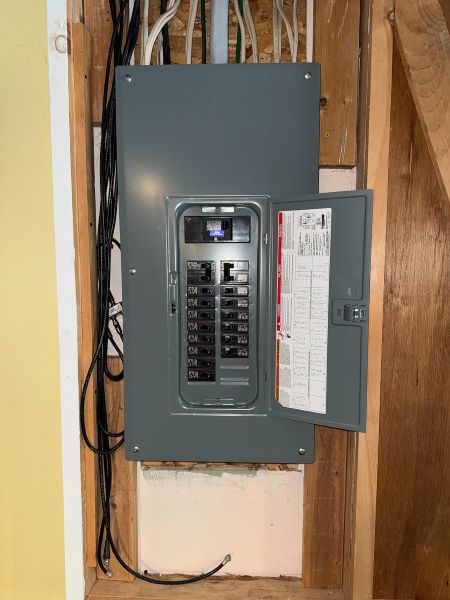
Buying an electric car is exciting, but your home’s electrical system has to keep up. If you live in Center Valley, PA and want Level 2 charging, you may need an electrical panel upgrade for ev charger use. The best way to know is to have a licensed electrician perform a panel load calculation and review your breaker space, wiring, and grounding. If you are unsure where to start, our electrical repairs team can evaluate your setup and explain safe options.
What Your Electrical Panel Actually Does
Your main panel is the heart of your home’s power. It brings electricity in from the utility, then divides it into circuits for outlets, HVAC, water heaters, EV chargers, and more. When you add a high-demand device like a Level 2 charger, that extra load must fit within the panel’s total capacity and available breaker spaces.
Think of the panel like a highway. Light fixtures and phone chargers are compact cars. An EV charger is a tractor-trailer. The highway must have enough lanes and strength to handle the heavier traffic without backups or breakdowns.
Clear Signs You May Need a Panel Upgrade
Every home is different, but these common clues point toward an upgrade before installing a charger:
- Frequent tripping breakers when multiple appliances run
- No open breaker spaces or a crowded, unorganized panel
- Original 60–100 amp service in an older home near Saucon Valley, Coopersburg, or Hellertown
- Plans to electrify more (heat pump, induction range, hot tub) in addition to an EV
- Warm panel cover, buzzing sounds, or visible corrosion
Do not add a high‑amp circuit until your panel is confirmed safe. That extra load can stress older wiring and weaken protective devices.
How Panel Load Calculations Work
A load calculation estimates whether your service can support a new EV circuit. A licensed electrician lists major appliances, square footage lighting load, and fixed equipment, then applies standard demand factors and diversification. The goal is to see if your existing service has headroom or if upgrading the service and panel is the prudent choice.
This assessment also reviews breaker size for the charger, wire gauge, grounding and bonding, and whether the panel bus rating matches the main service rating. The result is a clear yes/no on capacity and a safe plan that fits your home’s future needs.
100 Amp vs 200 Amp: What Makes Sense In Center Valley
Many Lehigh Valley homes built decades ago still run on 100 amp service. That may handle everyday living, but adding a 240V Level 2 charger can push it close to the limit. Upgrading to 200 amps provides breathing room for today’s devices and tomorrow’s projects.
If you live near newer developments in Upper Saucon Township, you may already have 200 amp service. Even then, a load calculation is smart because large electric heating, a finished basement, or a pool can shrink your available capacity. Upgrading to 200 amps supports future electrification without constant tradeoffs.
EV Charger Permit And Inspection Basics In Pennsylvania
Most Pennsylvania municipalities require a permit for adding a new high‑amp circuit or installing a hardwired EV charger. Specific forms, fees, and timelines vary by township or city in the Lehigh Valley. Your licensed electrician will prepare drawings as needed, submit the application, and coordinate the inspection. Permit and inspection are often required to confirm safe installation and protect your home insurance coverage.
Depending on location, the utility may also need notification when a home’s load changes significantly. Your contractor can guide you through this process so everything passes review the first time.
Picking The Right Charging Speed And Circuit
Level 1 uses a standard 120V outlet and is slow but simple. Level 2 is the sweet spot for most homeowners because it typically restores dozens of miles per hour of charging, but it needs a dedicated 240V circuit sized to the charger. Your electrician will match the breaker and wire size to the charger’s continuous load rating and your panel’s available capacity.
- Level 1: best for low daily miles or temporary setups
- Level 2: best for consistent overnight charging and multiple drivers
Always use a licensed electrician to select the circuit, breaker, and wiring method that meet code and manufacturer specs.
Local Factors In Center Valley, PA That Affect Your Decision
Homes around Center Valley, Emmaus, and Bethlehem face wide temperature swings. Winter cold and summer heat can increase HVAC run time, which raises your base electrical load. If storms roll through the Lehigh Valley, sump pumps and dehumidifiers may also cut into capacity. Planning for these peaks helps your EV charge reliably year‑round.
Home age matters too. Older properties near historic areas may have limited grounding and fewer spare breaker spaces. Newer builds may be closer to ready for Level 2, but finishes, finished garages, or long driveway runs can affect wiring routes. A site walk with a pro will catch these details early so the installation is smooth.
What To Expect During A Panel Upgrade
When a panel upgrade is the right move, your contractor will map out the steps and timeline. Here is a simple overview so you know what happens and why:
- Assessment and panel load calculation to confirm the upgrade scope
- Permit submittal and materials ordering
- Scheduled power shutoff with safe removal of the old panel
- Installation of the new panel, service equipment, grounding, and labeling
- Inspection and power restoration, then final EV charger hookup
Once the upgrade is complete, your EV charger circuit can be added with the correct breaker and wiring. You also gain room for future projects like a heat pump, induction range, or a workshop.
Why A Professional Evaluation Matters
An EV charger is a big electrical decision. A rushed install can overload circuits, create nuisance trips, or shorten equipment life. A professional evaluation gives you a firm answer, a code‑compliant design, and documentation for permits and inspections. If you are planning an electrical panel upgrade for ev charger, reviewing your goals with Lehigh Valley Electric, Inc helps you choose the right path without guesswork.
We also label the panel clearly and verify that AFCI/GFCI protection is applied where required. That attention to detail saves time if you expand your system later or sell your home.
Putting It All Together For Your Home
Here is a quick way to decide your next step in Center Valley:
If your service is already 200 amps and your panel has spare spaces, a load calculation may show you are ready for a Level 2 circuit. If your service is 100 amps or your breakers already work hard when the oven, dryer, and AC run together, upgrading the panel first is usually the safer, more flexible solution.
Either way, a short visit from a licensed electrician will give you a clear plan. You get the charger speed you want and the confidence that your system is built for the long haul.
Ready To Charge Faster In Center Valley?
Start with a brief assessment from Lehigh Valley Electric, Inc. Our local team handles the load calculation, permit paperwork, and installation details so you can plug in with confidence. If you have questions about safe wiring, breaker sizing, or inspection timing, our electrical repair experts are ready to help.
Call us at 610-434-0508 to schedule your visit. We will review your goals, look at your panel and charger options, and build a plan that fits your Center Valley home and daily driving needs.