
Whole-Home Surge Protection in Allentown, PA: What It Does (and Doesn’t) Protect
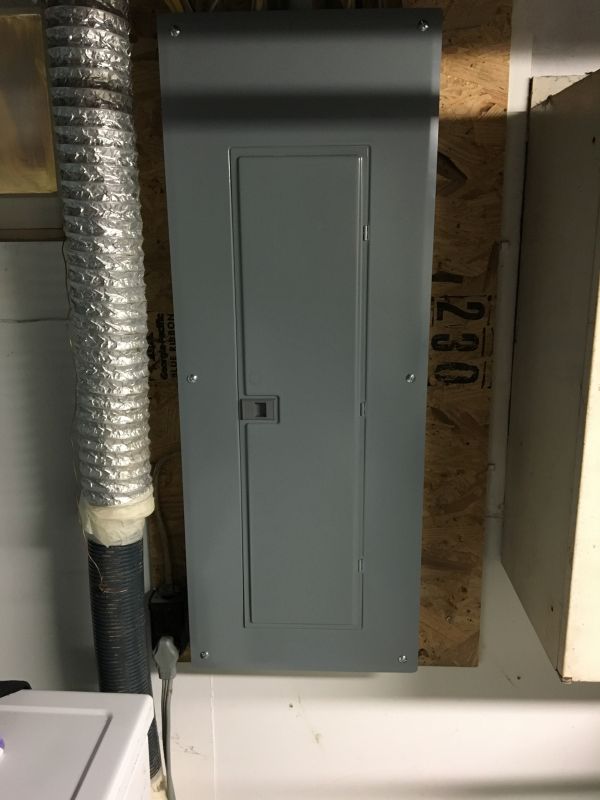
Power in the Lehigh Valley can spike without warning, especially during summer storms and heat waves. Whole-home surge protection helps shield your home’s wiring and connected equipment from many of those voltage spikes. If you are planning electrical upgrades or want a safer, more dependable system, explore our electrical services with a licensed local team you can trust at Lehigh Valley Electric, Inc.
Why Allentown Homes Need Surge Protection
In Allentown, quick-moving thunderstorms roll through from late spring into fall. On the hottest days, air conditioners cycle on and off across the grid, and that switching can send sudden surges back toward your home. Winter can bring outages and restoration surges as well. If you live in older areas like the West End or Center City, you may also have legacy wiring or older panels that are more sensitive to voltage anomalies.
These brief events rarely last long, but the damage can. Sensitive electronics, control boards in modern furnaces and air handlers, and smart refrigerators are all vulnerable. A properly installed whole-home device at the main electrical panel reduces that risk by clamping down excess voltage before it spreads through your circuits.
What Whole-Home Surge Protection Actually Does
Think of a whole-home surge protector as a pressure relief valve for electricity. When voltage rises above a safe level, the device reacts in milliseconds and diverts that excess energy to your home’s grounding system. It does this over and over, silently, anytime a surge tries to enter from the utility line or from large loads cycling inside your home.
- Helps protect hard-wired systems like HVAC equipment, well pumps, and built-in microwaves
- Helps safeguard plugged-in appliances on your branch circuits such as refrigerators, freezers, washers, and dryers
- Reduces wear on sensitive electronics and smart-home devices connected to standard outlets
- Works in the background to lower the odds of nuisance failures and premature board burnouts
Because the device is installed at the service panel, protection starts where power enters your home and extends across your circuits. For many Allentown homeowners, that single upgrade brings noticeable peace of mind during storm season.
What It Doesn’t Protect (And Common Misconceptions)
Whole-home surge protection is powerful, but it is not a cure-all. Understanding its limits helps you build a stronger, layered plan for your home.
- It is not a battery backup. Your lights will still go out during an outage.
- It does not fix unsafe wiring, double-tapped breakers, or poor grounding. Those require professional repair.
- It does not always stop surges arriving on cable, satellite, or phone lines unless those lines are protected too.
- It cannot guarantee protection from a direct lightning strike to your home or nearby ground.
- It does not undo damage already done to a failing appliance or a worn power supply.
For the best results, pair a panel-mounted device with quality point-of-use surge protection for your most sensitive gear, and make sure your grounding and bonding are in good shape. Always hire a licensed electrician to inspect and correct issues before installing any protective equipment.
Surge Protector vs. Power Strip
Not all power strips are surge protectors. Many are simply extension devices with no protective components inside. Look for a clearly labeled surge protector with a protection rating and indicator light. Even then, point-of-use surge protectors are a complement to, not a substitute for, a panel-mounted whole-home device.
Power strips alone are not designed to absorb larger surges that can travel through your home’s service conductors. A whole-home unit handles the heavy lift at the panel, while point-of-use devices act like seatbelts for your most sensitive electronics. If the indicator on a strip shows it has sacrificed itself, replace it promptly. Do not rely on worn or unknown power strips to protect expensive equipment.
Protecting HVAC, Appliances, and Essentials
Modern HVAC systems rely on circuit boards, sensors, and variable-speed components that dislike sudden voltage spikes. The same is true for refrigerators, freezers, garage door openers, and sump pumps. A well-chosen whole-home device helps prevent the kind of invisible stress that shortens service life or leads to inconvenient failures on the hottest or coldest days.
For a deeper dive into the topic, this quick read on proper surge protection adds helpful context for local homeowners in Allentown and nearby towns like Emmaus and Macungie.
Layered Protection Works Best
The strongest approach is layered. Start with a Type 1 or Type 2 device at the service panel, then add high-quality point-of-use protection for computers, TVs, and networking equipment. Confirm that coax, satellite, and phone lines have appropriate surge modules at their entry points, and ask for a grounding and bonding check during the visit.
To learn more about the approach and our philosophy, you can explore whole-home surge protection in Allentown, PA resources and other local electrical guidance with Lehigh Valley Electric, Inc. A layered setup is like a good umbrella and a raincoat. Each layer handles what the other cannot.
Lightning Protection: What To Expect
Whole-home surge protection helps with the majority of everyday surges and can reduce the impact of some lightning-related transients. Still, it is not the same as a complete lightning protection system with air terminals and bonding across all systems. If your home sits on a hill with broad views or you have tall trees near service lines, talk with a professional about additional measures.
Whole-home surge protection is not a lightning arrestor. It is one important layer in an overall plan designed to reduce risk, not eliminate it. Good grounding, proper bonding, and quality surge devices together are what make the difference for most homes in the Lehigh Valley.
How Installation Works With a Licensed Electrician
Every home has its own panel layout and grounding conditions, so a licensed electrician evaluates your service equipment and recommends a properly rated device. The installation is completed at your main service panel or meter location depending on your setup. Time on site varies by panel condition and accessibility. No DIY steps are required or recommended, and the work stays within safety standards for your home.
If you are thinking about whole house surge protector installation, our team will size the device to match your panel and typical loads, then verify grounding and bonding. We also discuss where you would benefit from point-of-use protection, especially around media centers, home offices, and gaming setups.
When To Consider an Upgrade
Consider a whole-home unit if any of these sound familiar: you have newer high-efficiency HVAC equipment, an EV charger, or a smart-home system with hubs and access points across your house. If you have experienced frequent breaker trips during storms or noticed lights flickering when large appliances start, that is another reason to evaluate your protection.
Homes in established neighborhoods around Allentown often combine older wiring with modern electronics. That mix increases the value of surge protection. Safeguard mission‑critical equipment such as medical devices, security systems, and work-from-home setups so life keeps moving even after the storm passes.
Care and Expectations After Installation
After a professional installation, your device should sit quietly at the panel and only call attention to itself if an indicator changes. Ask your electrician to show you the status light and explain what a change would mean for your home. If the device shows it has taken a significant hit, it may need replacement to maintain full protection.
For your most sensitive gear, keep using quality point-of-use surge protectors. Wall warts and power supplies can still run hot after years of use. Replace any power strip that has a failed indicator light or visible wear so your layered approach stays strong.
Ready To Protect Your Home?
Surges are brief, but the damage can linger. If you want clarity on the best plan for your home in Allentown, schedule a visit with Lehigh Valley Electric, Inc. You can browse our full list of electrical services to see how we help with repairs, upgrades, and safety checks, or call us at 610-434-0508 to talk with a friendly expert today. We are happy to review options and install the right protection for your home and your peace of mind.
Want to move forward now? A quick conversation helps us match the protection level to your panel and your priorities. When you are ready, explore our electrical services and book a visit that fits your schedule.