
Why Do My Lights Flicker When the AC Kicks On? Troubleshooting Older Home Wiring in Allentown
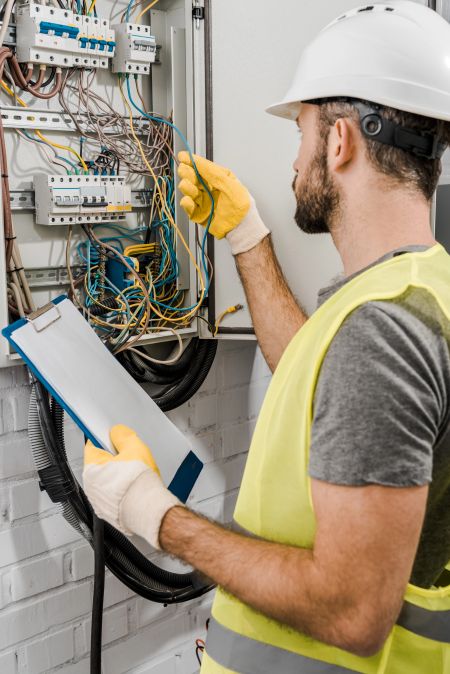
When your air conditioner starts and your lights blink, it can feel like the whole house takes a breath. In many Allentown homes, especially those built before 1970, that brief dip is tied to how much current the compressor needs to get moving. The key is knowing what’s normal and what signals a wiring problem. If you’re worried, our team at Lehigh Valley Electric, Inc handles precise electrical repairs that get to the root of flicker without guesswork.
Why AC Startups Make Lights Blink In Older Allentown Homes
Every central AC compressor draws a short burst of high inrush current when it kicks on. That sudden demand can cause a momentary voltage drop across your home’s wiring. In a healthy system, the effect is a subtle dim that clears in under two seconds. Think of it like a heavy truck merging onto Hamilton Street for a moment before traffic smooths back out.
Older homes in neighborhoods like the West End, Old Allentown Historic District, and Midway Manor often have longer wire runs, mixed upgrades, or legacy connections. Those details raise resistance and make dips more noticeable. The difference between a harmless blip and a wiring defect usually comes down to duration, how many rooms are affected, and whether other loads cause the same symptom.
Brief Voltage Dip vs. Chronic Wiring Issue
Here’s how electricians separate normal from not-so-normal:
- Brief voltage dip: Lights dim slightly for less than two seconds right when the AC starts, then return to normal. Happens a few times per hour on hot days.
- Chronic issue: Lights dim or flicker beyond two seconds, pulse several times during a cycle, or vary when other appliances start. It may occur on multiple circuits, not just one room.
In pre-1970 construction, shared or outdated neutral connections and multi-wire branch circuits are common. If neutrals are loose or shared improperly, the return path can oscillate under load, creating flicker across different rooms. Undersized or heavily loaded branch circuits can also exaggerate dips. **Do not ignore persistent dimming across multiple rooms**, because it can point to loose neutrals, aging terminations, or overloaded circuits that need corrective work.
What To Note Before You Call an Electrician
You don’t need to diagnose anything. Just observe and jot down a few details so your electrician can pinpoint the problem faster during the visit.
- Which rooms flicker: one fixture, one room, or several rooms on different floors.
- Timing: does it happen only at AC startup, or also when the dryer, microwave, or well pump begins?
- Duration: is the dim under two seconds, or longer and more noticeable?
- Pattern: steady dim and recover, or multiple pulses during the same AC cycle?
- Season and time: hot, humid afternoons vs. mild evenings; first AC start of the day vs. every cycle.
- Any other symptoms: buzzing at switches, warm wall plates, or burning odor.
This checklist helps your electrician quickly determine if the cause is normal inrush current, branch circuit loading, shared neutral behavior, or a loose connection that needs correction. **If you notice burning smells, scorch marks, or crackling sounds, treat it as urgent and call a licensed electrician immediately.**
Common Older-Home Wiring Issues We Find Near You
High inrush current is normal; chronic flicker is not. When flicker keeps showing up, here are problems we frequently uncover in established Allentown neighborhoods:
Note: We list these so you know what your electrician might discuss during the visit, not for DIY. **Never open your electrical panel or disconnects unless you are a licensed professional.**
Shared or outdated neutral connections: Multi-wire branch circuits from earlier eras rely on a neutral that must stay solid and correctly tied to the paired hot legs. If that neutral loosens at a splice, device, or bus, lights can bright-dim as loads shift.
Overloaded or long branch circuits: Older lighting circuits sometimes feed many rooms and fixtures. Long runs and multiple connections add resistance. When the AC starts, the voltage drop shows up more on those distant branches.
Loose terminations at devices: Aging backstabbed receptacles and worn switch terminals can add intermittent resistance. Under compressor start-up, these weak links reveal themselves as visible flicker.
Panel or service issues: Corroded lugs, undersized service conductors, or tired main breakers can worsen dips. In some cases, overall service capacity is fine, but balancing loads across legs improves stability.
Legacy aluminum branch wiring: Some mid-century homes used aluminum conductors on lighting circuits. Without the right connectors and torque, joints can loosen over time and fluctuate under load.
Safe, Professional Fixes an Electrical Contractor May Recommend
Because every home is different, your licensed electrician will test, measure, and verify under load before proposing solutions. Typical remedies may include:
Dedicated circuits and load balancing: Moving heavy start-up loads to their own properly sized circuit reduces the impact on lighting. Balancing across service legs can also help even out dips.
Neutral and termination corrections: Cleaning, tightening, and, when needed, reworking shared or outdated neutrals restores a stable return path. Replacing worn devices eliminates weak points.
Compressor soft-start solutions: AC-friendly soft-start devices can lower inrush current and make startup gentler on older wiring. Your HVAC contractor may handle this component, while your electrician ensures the circuit and terminations are up to par.
Service and panel improvements: When testing shows drop at the service, panel maintenance or upgrades may be advised. This can include proper torqueing, corrosion remediation, or adding a subpanel for better circuit distribution.
If your home needs targeted electrical repairs, Lehigh Valley Electric, Inc will document findings, explain the plan in plain language, and complete the work to current standards so your lighting stays steady when the AC cycles.
How We Diagnose Flicker the Right Way
Good troubleshooting is methodical. We start by reproducing the symptom with the AC starting under normal load. We check whether the flicker is isolated to one branch or appears across multiple rooms. Then we measure voltage at key points as the compressor starts. That tells us where the drop originates and which connections deserve attention.
We also review the age and path of each affected circuit. Pre-1970 wiring methods can be safe and reliable when maintained, but they call for careful inspection of neutrals and multi-wire circuits. When needed, we coordinate with your HVAC pro so electrical and mechanical solutions align.
When To Act in Allentown
Take notes for a week of typical AC use, especially during humid stretches along the Lehigh Parkway or near downtown where buildings can hold heat. If you see dimming longer than two seconds, flicker across multiple rooms, or symptoms with other appliances, schedule a visit. If the dim is brief and isolated, you may simply be seeing normal inrush behavior, but testing can confirm.
Want a trusted local partner? Many homeowners start with an allentown electrician who can separate normal dips from correctable wiring issues and explain the options in clear terms.
What To Expect From a Visit
We arrive with calibrated meters and thermal tools, then recreate the AC startup while monitoring voltage at the panel and at representative fixtures. We review your notes, trace affected circuits, and inspect neutrals and terminations. You receive a clear report of findings and recommended steps so there are no surprises.
If corrective work is needed, we schedule at your convenience, protect floors and furnishings, and verify the results under load before we leave. Our goal is steady, comfortable lighting every time the compressor starts.
Ready To Stop The Flicker? Call Lehigh Valley Electric, Inc
Steady lights make your home feel calm and safe, even on sweltering August days. If you’re seeing more than a brief dip, let us track it down and fix it the right way. Call 610-434-0508 to schedule with Lehigh Valley Electric, Inc or book online today. For fast help from a local team that specializes in troubleshooting and repair, start here on our service page for expert electrical repairs.